
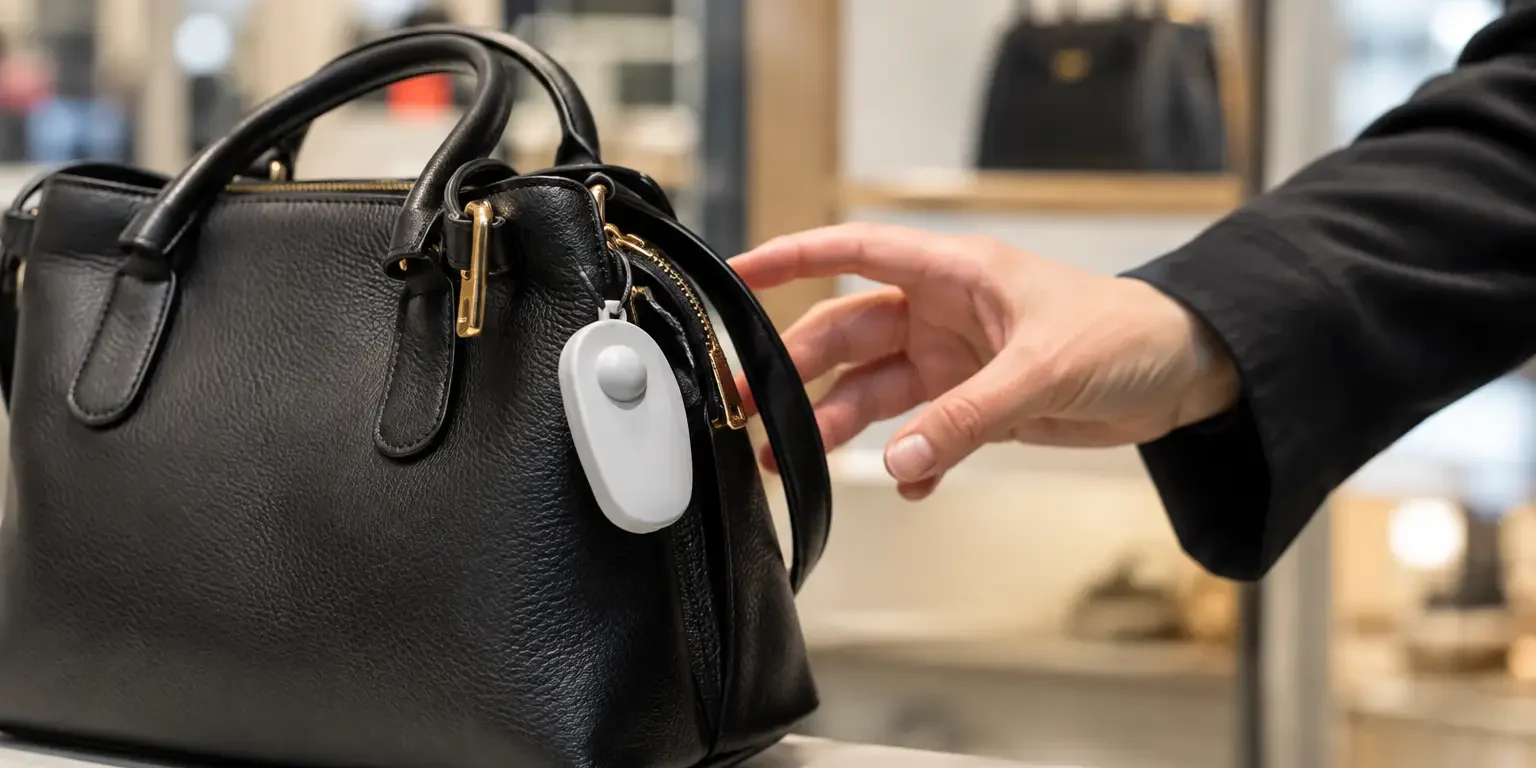
A laptop disappears from a meeting room, a power tool fails to return to stores, or a projector cannot be found when a class starts. The immediate question is often whether do security labels deter theft in a meaningful way, or whether they are simply an administrative marker. Used properly, they can do both: make an item less attractive to steal and make it far easier to identify, recover and account for.
A label alone cannot physically stop someone taking equipment. It is not a lock, an alarm or a replacement for sensible access control. Its value is in changing the calculation for an opportunistic thief while giving the organisation a clear, durable link between the item and its asset register.
Do security labels deter theft in practice?
Yes, particularly against opportunistic theft. Clearly marked equipment looks owned, recorded and difficult to sell on. A thief is more likely to choose an unmarked laptop charger, tablet or tool than one carrying a prominent company name, unique asset number and a tamper-evident warning.
The effect is strongest where the label makes removal difficult or obvious. A plain paper sticker can be peeled away in seconds, which limits its deterrent value. A purpose-made security label that fragments on removal, leaves a visible residue or reveals a hidden message tells the person handling it that the asset has been protected deliberately.
For many workplaces, the real benefit is not a dramatic reduction in organised crime. It is fewer low-level losses, fewer disputed handovers and better accountability for portable equipment. That matters in schools, offices, warehouses, healthcare settings and facilities teams managing equipment across several sites.
Why marked assets are harder to steal and sell
A security label creates friction at several points. Before an item is taken, it signals that the organisation knows what it owns. After it is taken, it makes the item harder to pass off as personal property. If a label is removed and leaves damage or a residue pattern, the equipment can look suspicious to a buyer, reseller or colleague.
Serialised labels are especially useful because each number can be recorded against a specific asset. If a laptop with asset number IT-1048 goes missing, the organisation has a clear identifier to give to security staff, insurers or the police. A generic logo still has value, but a unique number adds traceability.
Barcodes and QR codes make this information quicker to use. Staff can scan an item during an audit, when issuing it to an employee or when it is returned. The code should point to a reliable asset record rather than becoming a substitute for one. A well-designed label supports the process; it does not repair an incomplete register.
Visibility versus discretion
The right label depends on the risk and the equipment. Highly visible labels are usually best where deterrence is the priority. They make ownership clear at a glance and work well on IT equipment, audiovisual kit, tools, laboratory instruments and shared workplace devices.
There are occasions when a discreet label is more appropriate. High-value equipment may need a small identifier in a less obvious position, alongside a more visible inventory label elsewhere. Some organisations use a combination: a branded, numbered asset label for everyday control and a covert identifier as a secondary recovery measure.
Do not place labels where they obscure safety markings, ventilation, ports, screens or manufacturer serial numbers. On electrical equipment, choose a flat, clean area that can be scanned without unplugging or dismantling the item. Consistent placement also saves time during stock checks.
Tamper-evident labels add a stronger warning
Tamper-evident materials are designed to show interference. Their purpose is not merely to make a label hard to remove, but to leave evidence when removal has been attempted. Depending on the material, this may mean the label breaks into pieces, leaves a patterned residue, or reveals wording such as VOID.
This is useful in two different situations. First, it discourages someone from removing an ownership mark before selling or relocating an item. Second, it gives staff an immediate indication that equipment may have been altered or accessed without authority.
For example, an IT team may use tamper-evident seals across a computer case, network cabinet or calibration point, while using durable asset labels on the equipment itself. The seal indicates unauthorised opening. The asset label identifies the unit throughout its working life. They solve related, but different, problems.
Material selection matters. Labels for office laptops may need a durable polyester construction and permanent adhesive. Labels on textured plastics, curved surfaces, outdoor machinery or equipment exposed to cleaning chemicals need more careful specification. A label that lifts after a few weeks sends the wrong message and creates unnecessary rework.
What makes a theft-deterrent label effective?
The most effective labels are not chosen from a template without considering where they will be used. They combine the right information, material and visual treatment for the asset and working environment.
At minimum, a good asset security label normally includes the organisation name and a unique asset number. Adding a barcode or QR code supports quicker audits and handovers. A contact telephone number or return instruction can assist honest recovery, although some organisations prefer not to display direct contact details on sensitive equipment.
The design should be clear enough to read without making the label crowded. Small text, overly detailed logos and long strings of information reduce the chance that someone will notice the warning. For deterrence, wording such as “Property of” or “Asset ID” is often more useful than a label that looks purely decorative.
Consistency is equally important. If half the organisation’s equipment is labelled and half is not, the unlabelled items become the easy target. A planned roll-out across portable, high-value and frequently moved assets gives the marking programme credibility.
Labels work best as part of asset control
Security labels are a cost-effective layer of protection, but they work best alongside practical controls. Asset registers should be kept current, with serial numbers, locations, assigned users and purchase details recorded where appropriate. Staff need a straightforward process for borrowing, returning and reporting equipment.
Physical measures still have a place. Secure storage, visitor management, cable locks for exposed devices, controlled access to stores and suitable CCTV can all reduce opportunity. Labels complement these measures by making assets identifiable if they leave the controlled area.
There is also a human element. Employees are more likely to take care of equipment when allocation is clear and each item is visibly marked. This should support a culture of accountability, not create an atmosphere of mistrust. Clear procedures and simple scanning routines are usually more effective than burdensome checks that staff work around.
Common mistakes that reduce the benefit
The most common mistake is using labels that are not suited to the surface or environment. Cheap stickers that fade, curl or detach can turn a sensible security measure into visual clutter. Testing a sample on representative equipment is worthwhile before ordering a large batch.
Another mistake is printing numbers that are never recorded. A unique label only becomes useful when it connects to a maintained register. The same applies to barcodes: select a format that your scanners and software can read, then test it at the label size you need.
Finally, avoid treating labels as a one-off purchase. Equipment is replaced, reassigned, repaired and disposed of. Build labelling into procurement, IT deployment and asset disposal procedures so that records remain accurate from arrival to retirement.
Choosing labels for your organisation
Start with the items most likely to be moved, misplaced or stolen. Portable IT, tools, tablets, test equipment, projectors and specialist devices are often the best first candidates. Then decide whether the main requirement is visible ownership marking, audit speed, tamper evidence or a combination of all three.
A specialist manufacturer can advise on label size, adhesive, finish, numbering and barcode format before production. Security-Label.co.uk produces UK-made custom asset and security labels with bespoke layouts, serial numbers, barcodes and tamper-evident options, helping organisations specify labels that suit the equipment rather than forcing equipment into a generic format.
The useful test is simple: if an item went missing tomorrow, could a member of staff identify it quickly, show that it belongs to the organisation and spot any attempt to remove its marking? A properly specified security label helps make the answer yes.