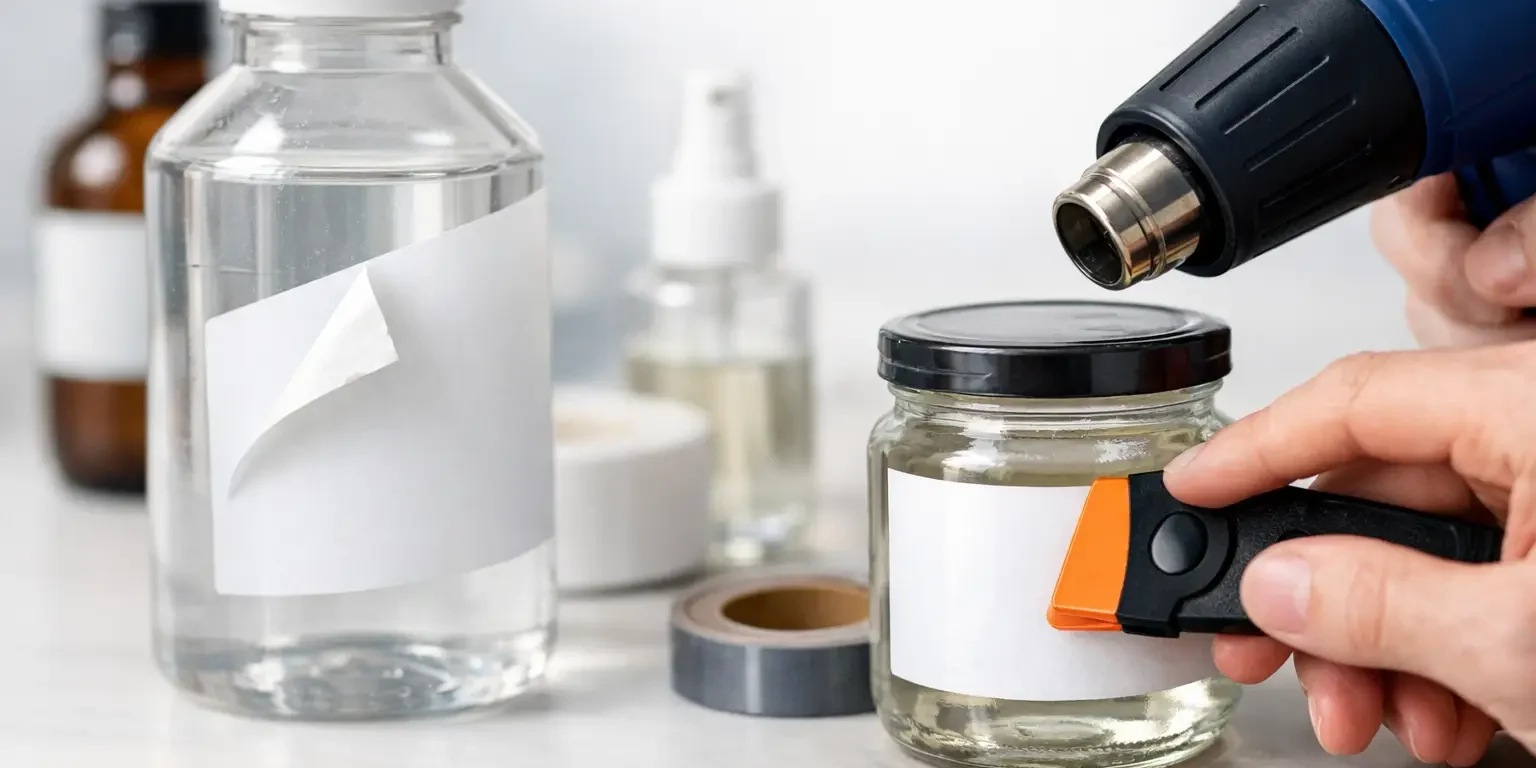
A peeling asset label is more than a cosmetic nuisance. Once a barcode cannot scan, a serial number goes missing or a tamper seal lifts at one corner, the equipment becomes harder to identify, audit and protect. If you have been asking, why do labels peel off, the answer is usually not simply that the adhesive is poor. It is normally a mismatch between the surface, label material, application method and working environment.
For organisations managing IT equipment, tools, furniture, plant or other fixed assets, getting this right at the outset prevents replacement costs and gaps in the asset register later on.
Why do labels peel off in service?
A pressure-sensitive label works when its adhesive flows into the tiny peaks and valleys of a surface, forming a close bond. That process can be interrupted at several points. The label may be applied to a contaminated surface, fitted in unsuitable conditions, or selected for an environment it was never designed to withstand.
The first clue is often how the label fails. A label that lifts cleanly from the entire surface points to poor adhesion or contamination. One that curls from the edges may have been exposed to moisture, abrasion or repeated handling. If the face material splits or the print wears away while adhesive remains behind, the issue is more likely material durability than initial bond strength.
Surface contamination is the most common cause
Equipment that looks clean may still carry a thin film of oil, silicone polish, dust, release agent or hand grease. This is particularly common with new plastic cases, powder-coated metal, machinery covers and refurbished laptops. The adhesive bonds to that residue rather than the underlying surface, so the label can release when it is rubbed, flexed or subjected to temperature changes.
Wipe the application area with a clean, lint-free cloth and an appropriate cleaning solution, then allow it to dry fully. Isopropyl alcohol is commonly used for many hard surfaces, but it should always be tested first, especially on coated, painted or sensitive plastics. Do not apply a label over moisture, cleaning product residue or condensation.
Dust is just as damaging. On warehouse equipment, tools and plant, airborne debris can prevent full contact with the surface. A quick wipe immediately before application is usually far more reliable than cleaning an item earlier in the day and leaving it exposed.
Low-energy plastics can be difficult to label
Not all plastics accept adhesive equally. Polypropylene, polyethylene and some heavily textured or recycled plastics have low surface energy. Put simply, their surface resists wetting, so a standard adhesive may struggle to achieve a lasting bond.
This matters for storage crates, wheeled bins, handheld devices, moulded cases and certain safety equipment. A label that adheres perfectly to smooth painted steel may peel quickly from the same-sized plastic container.
For challenging plastics, the solution is usually a label with an adhesive designed for low-energy surfaces rather than applying more pressure to a standard product. A small trial is sensible where the substrate is unknown or varies between batches. If asset labels are being ordered for several equipment types, identify the main surfaces before choosing one material for the whole job.
Application conditions affect adhesion
Pressure-sensitive labels need firm, even application. A label pressed down lightly at the centre can trap air or leave edges insufficiently bonded. Apply it from one side to the other, using consistent pressure across the whole label, with particular attention to corners and edges.
Temperature also has a direct effect. In a cold stores area, unheated workshop or winter loading bay, adhesive becomes less able to flow into the surface texture. Applying labels to an item that has just come in from outdoors can lead to weak initial adhesion, even if the room itself is warm.
Most labels perform best when applied at normal room temperature to a dry substrate. The label and item should be allowed to acclimatise where possible. Once applied, many adhesives continue building bond strength for hours or even a day. Avoid washing, heavy handling or immediate exposure to demanding conditions during that period.
Curved surfaces require extra care. A large, rigid label fitted around a tight curve is under constant tension and will often lift at the ends. A smaller label, a more flexible face material or a revised placement can provide a better result. Do not apply labels across deep moulding lines, rivets, textured grips, seams or sharp corners unless the material has been specified for that use.
The environment may be tougher than expected
An office asset label and a label fitted to warehouse machinery may look similar, but their service conditions are very different. Heat, cold, damp, UV light, cleaning chemicals, oils and abrasion all place demands on both adhesive and face material.
Labels on laptops, tablets and tools are regularly touched, placed in bags and wiped down. Labels on outdoor equipment may face rain, sunlight and temperature cycling. In food production, healthcare and industrial settings, routine cleaning can involve detergents or sanitisers that gradually attack an unsuitable adhesive or print finish.
Consider the real use of the asset, not just where it is stored. A barcode label on a server room cabinet may need only standard indoor durability. A label on a field engineer’s case, a workshop power tool or a reusable warehouse tote needs stronger resistance to handling and the environment.
For demanding applications, durable polyester labels are often a practical choice because they resist tearing, moisture and general wear better than paper. A protective laminate can add further resistance to scuffs, cleaning and fading. The trade-off is that specification should be based on the surface and conditions, rather than choosing the least expensive option by default.
Label design can contribute to edge lifting
The shape and size of a label influence how well it stays in place. Square corners are more likely to catch on clothing, cases or cleaning cloths than rounded corners. Long narrow labels can also lift if placed across a curve or near an edge where they are repeatedly knocked.
Leave a sensible margin from panel edges, handles and points of regular contact. On portable assets, choose a flat recessed area where possible. For barcode scanning, make sure the placement remains accessible and that the barcode is not wrapped around a corner or curve.
Tamper-evident labels need particularly careful placement. Their purpose is to show visible evidence if someone attempts removal, so they should be applied to a clean, stable surface that gives the adhesive the best chance to perform as intended. If a seal is applied over a join between two parts, ensure neither section flexes excessively in normal use. Otherwise, an operational movement can trigger apparent tampering.
How to prevent peeling before labels are ordered
The most cost-effective approach is to specify the application properly. Before ordering, record what the label will be applied to, whether that surface is smooth or textured, the likely temperature range, exposure to water or chemicals, and how often the item is handled. Also consider whether the label needs a barcode, sequential number, QR code, company logo or tamper-evident feature.
For a mixed asset estate, it may be worth using different label specifications for different roles. Standard indoor asset labels can suit desks, monitors and filing cabinets, while equipment used outdoors or in workshops may need a tougher material and adhesive. One universal label is convenient, but it is not always the most economical choice once replacements and lost identification are considered.
A pre-production sample or small trial run is useful for unfamiliar equipment. Apply labels to representative items, allow the adhesive to cure, then assess them after normal cleaning, handling and temperature exposure. This gives procurement and facilities teams evidence to support the specification rather than relying on appearance alone.
A practical response when labels are already failing
If labels have started peeling, inspect several examples before replacing them. Check whether they fail on one type of equipment or across every surface, whether lifting starts at the edges, and whether the items are exposed to particular cleaning routines or conditions. Remove the failed label and examine the surface underneath. Adhesive left on the item may indicate an adhesive-to-face-material issue, while a clean surface can suggest contamination or an unsuitable adhesive.
Do not simply apply a new label over old adhesive, dirt or a partially removed label. Clean the area thoroughly, dry it, and use a revised material or placement if the root cause is known. Where barcodes are affected, check scan performance after replacement rather than assuming a visibly intact code will scan reliably.
Security-Label.co.uk can advise on material, adhesive and tamper-evident options for UK asset identification requirements, including bespoke labels with serial numbering, barcodes and QR codes.
A label should remain readable and securely attached for the useful life expected of the asset. Treating the surface, adhesive and environment as part of the specification gives your identification system a much better chance of doing its job when it is needed.