A missing laptop screw seal, a broken cabinet label, a carton that arrives with no sign of interference until it is opened properly – these are usually the moments when a guide to tamper evident seals becomes useful. For most organisations, the issue is not whether tampering can happen. It is how quickly you can spot it, prove it and reduce the chance of it happening again.
Tamper evident seals are designed to show visible evidence when someone tries to open, remove or interfere with an item. They do not physically stop determined access in the way a heavy-duty lock might. What they do very well is make interference obvious. That distinction matters because many buyers expect a seal to provide complete security, when its real value is accountability, deterrence and clear inspection.
For schools, councils, NHS suppliers, offices, warehouses and IT teams, that can be enough to tighten control over assets and reduce disputes. If a label leaves a VOID message, fragments on removal or cannot be reapplied cleanly, you have a simple way to identify unauthorised access without adding complex hardware or costly process changes.
What tamper evident seals actually do
The main purpose of a tamper evident seal is to create a visible sign that an item has been opened or a label has been lifted. That sign may appear as a hidden message left behind on the surface, a destructible face material that breaks apart, or a seal construction that permanently changes when disturbed.
This makes them useful across a wide range of day-to-day controls. Equipment housings, meter covers, first aid kits, test devices, flight cases, archive boxes, ballot boxes, retail packaging and confidential storage can all benefit from a simple visual check. In practice, the seal becomes part of an inspection routine. Staff do not need specialist tools. They only need to know what an intact seal should look like.
There is a trade-off, though. A tamper evident seal only works properly if it is chosen for the right surface and environment. A poor-quality seal on textured plastic or dusty metal may fail for the wrong reason, which creates confusion rather than control.
Guide to tamper evident seals by type
Not all tamper evident seals behave in the same way, and selecting the wrong type is one of the most common buying mistakes.
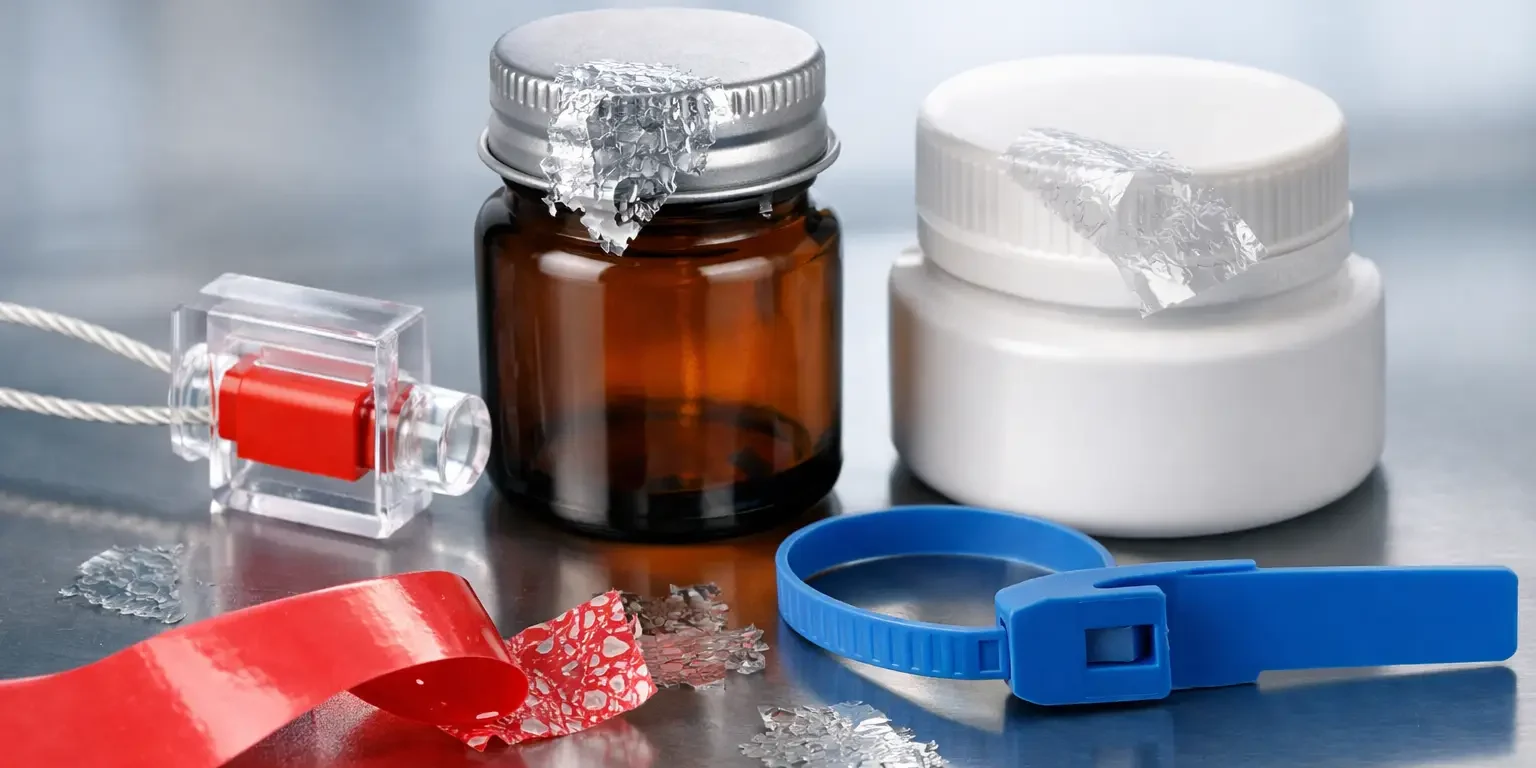
VOID labels are widely used where you want a clear residue or message left behind after removal. Once lifted, the word VOID, OPENED or a custom pattern appears either on the applied surface, the label itself, or both. These are a strong option for asset protection, electronics, cartons and access points because the tamper evidence is immediate and easy to train staff to recognise.
Destructible vinyl labels are made to break into small pieces if someone tries to peel them away. They are a good fit for asset tags and identification labels where you want to prevent label transfer from one item to another. They tend to work best on smooth, clean surfaces. On rough or curved surfaces, performance can vary depending on the exact material and adhesive.
Security tapes and carton seals are better suited to packaging, shipping cases and warehouse use. They show interference across a larger area and can help identify opened boxes before goods are booked in or signed off. They are practical, but less suitable where you need neat branding or compact application on small equipment.
Plastic indicative seals, such as numbered pull-through seals, are common for bags, cages, valves and transport applications. These are not labels, but they serve the same basic purpose of showing interference. They are useful where there is a physical closure point rather than a flat surface to label.
Where a practical guide to tamper evident seals matters most
The best use cases are usually the ones where inspection needs to be quick and records need to be clear.
In IT and facilities management, tamper evident seals are often applied to laptops, desktops, server housings, networking cabinets and test equipment. If an item is opened without authorisation, the seal shows it straight away. This can support internal controls, warranty processes and investigations into missing parts or data security incidents.
In schools and public sector environments, seals help protect devices, stock cupboards, exam materials and portable assets. Budgets are tight, so solutions need to be affordable and easy to order in modest quantities. A printed seal with a serial number or barcode can improve both security and asset tracking at the same time.
In logistics and storage, tamper evident labels can reduce disputes over opened cartons, sample boxes and retained stock. They do not replace chain-of-custody procedures, but they add a visible checkpoint that supports them.
In healthcare, laboratories and compliance-led settings, seals are often used on calibrated equipment, kits, cabinets and inspection points. Here, consistency matters as much as security. A seal should be easy to apply correctly and easy to verify during routine checks.
How to choose the right seal
The right choice depends on four things: surface, environment, level of evidence required and what information needs to appear on the seal.
Start with the surface. Smooth powder-coated metal, glass and rigid plastics are usually straightforward. Low surface energy plastics, textured finishes and curved items can be more difficult. If adhesion is poor, even the best security construction will not perform reliably. In these cases, testing is sensible before placing a larger order.
Next consider the environment. Indoor office conditions are very different from outdoor use, unheated stores or areas exposed to cleaning chemicals. A seal used on a school Chromebook trolley has different demands from one used on external utility equipment. Temperature, moisture and abrasion all affect long-term performance.
Then decide how obvious the tamper evidence needs to be. Some applications need a very visible VOID message because multiple staff members will inspect it. Others suit a more discreet finish for branded packaging or customer-facing products. There is no single best option. It depends on whether visibility, appearance or transfer prevention is the higher priority.
Finally, think about print. Many organisations want more than a plain seal. Sequential numbering, barcodes, QR codes and company details can all be added to improve control. A numbered tamper evident seal is far easier to audit than an unprinted one, especially if equipment is moved between sites or checked by different departments.
Customisation and traceability
This is where tamper evident seals become more than a basic deterrent. A bespoke seal can tie directly into your asset register, inspection process or stock control system.
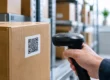
Serial numbers allow each seal to be recorded against a specific device, cabinet or shipment. Barcodes speed up scanning and reduce manual entry errors. QR codes can be useful where staff need to access records or inspection steps on mobile devices. Printed logos also help confirm that a seal is genuine and applied by the correct organisation.
For many buyers, customisation is not about appearance. It is about reducing ambiguity. If a seal is damaged, missing or the number does not match the expected record, the issue is clear. That saves time during audits and incident reviews.
Common mistakes that cause problems
Most seal failures come back to specification rather than manufacturing.
One common issue is choosing on price alone. Low-cost labels can be suitable, but not if they are used on the wrong surface or in a demanding environment. Another is treating all tamper evident constructions as interchangeable. A destructible label and a VOID label may look similar in a sample photo, but they behave differently in use.
Application is another weak point. Surfaces should be clean, dry and free from grease. Staff should know where seals need to be placed and what a correct application looks like. If labels are fitted inconsistently, inspection becomes subjective.
It also helps to avoid overcomplicating the design. If the seal is too small to read, the numbering sequence is unclear, or the barcode format does not suit your scanner setup, the product becomes harder to use than it needs to be.
What to ask before ordering
If you are buying tamper evident seals for the first time, gather a few practical details before requesting a quote. Know the size of the application area, the material of the surface, whether the item is used indoors or outdoors, and whether you need plain seals or printed identification.
It is also worth deciding who will apply them and who will inspect them. A seal that works perfectly in a controlled production setting may not be the best option for busy site staff applying labels across multiple locations.
An experienced specialist manufacturer should be able to guide you through this quickly. Security-Label.co.uk, for example, focuses specifically on security and asset labelling rather than general print, which makes a difference when you need advice on adhesive choice, print options and realistic lead times.
The best tamper evident seal is not the most complicated one. It is the one that fits your surface, your process and your budget, while giving staff a clear and reliable sign that something has changed. Get that right, and a small label can do a very useful job.